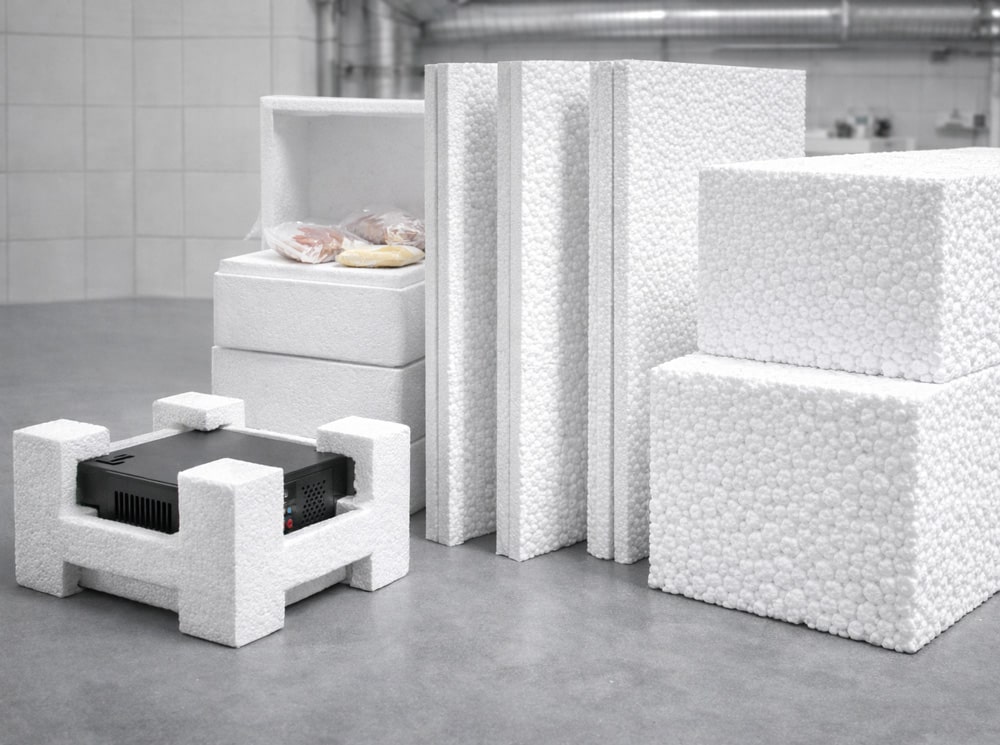
What is EPS?
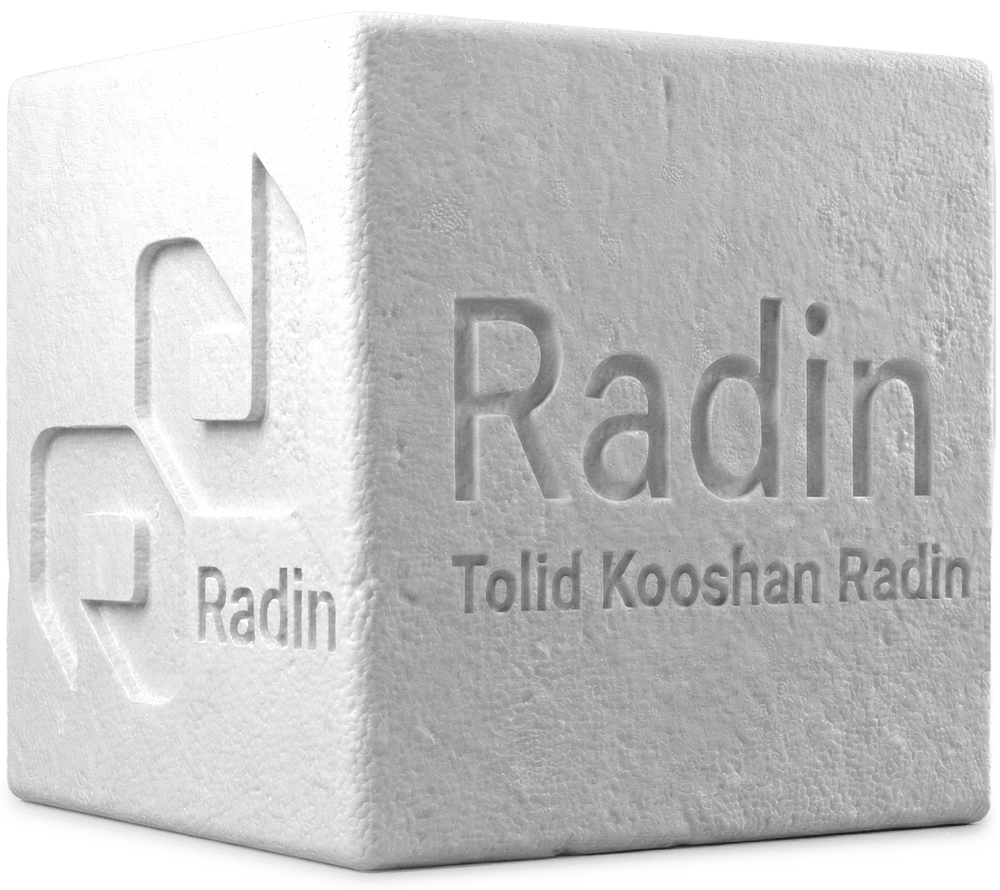
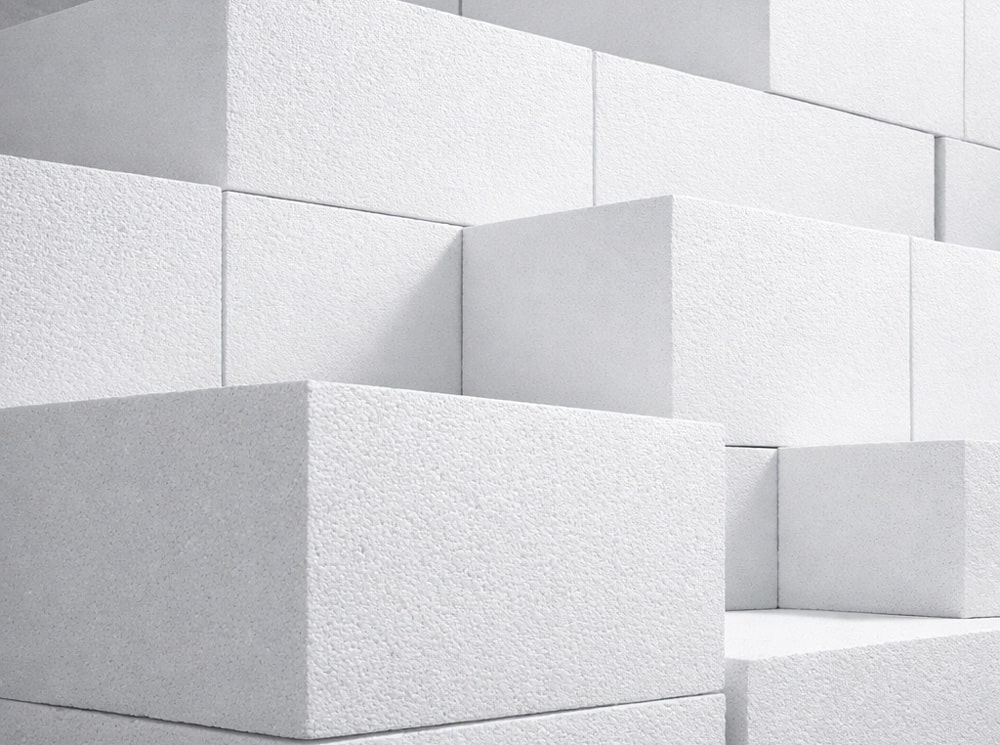
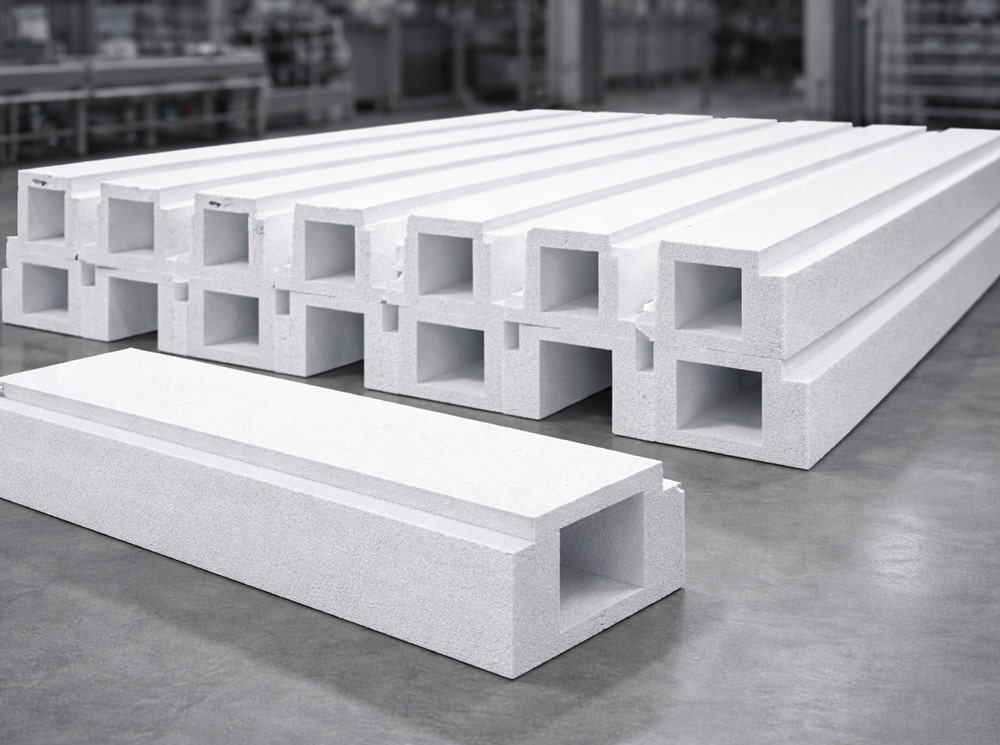
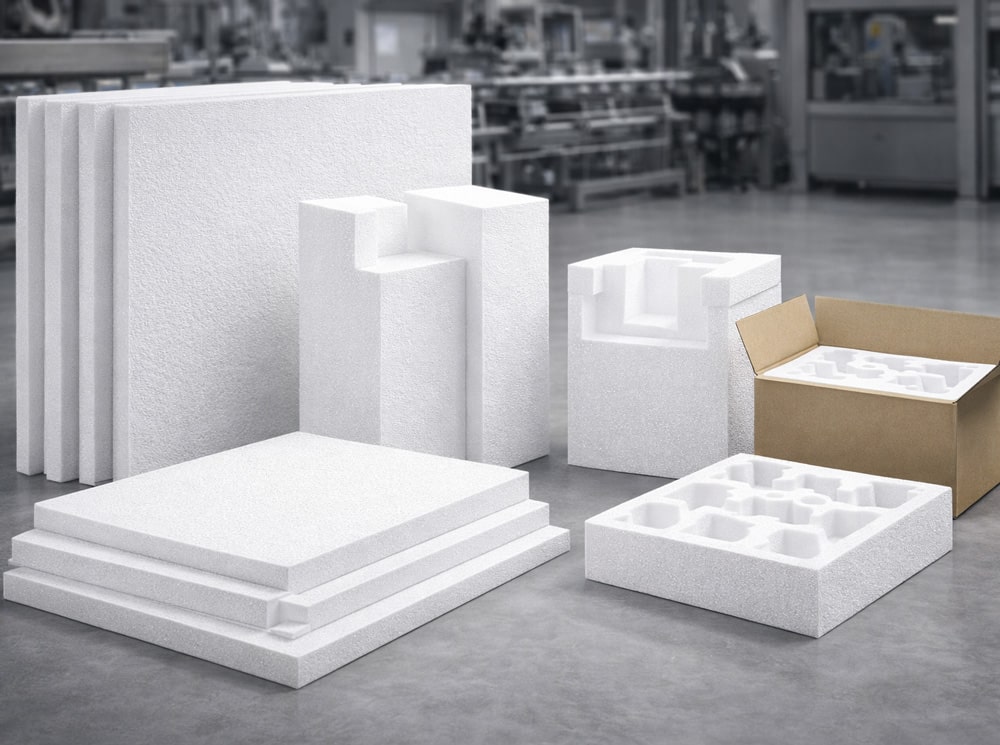
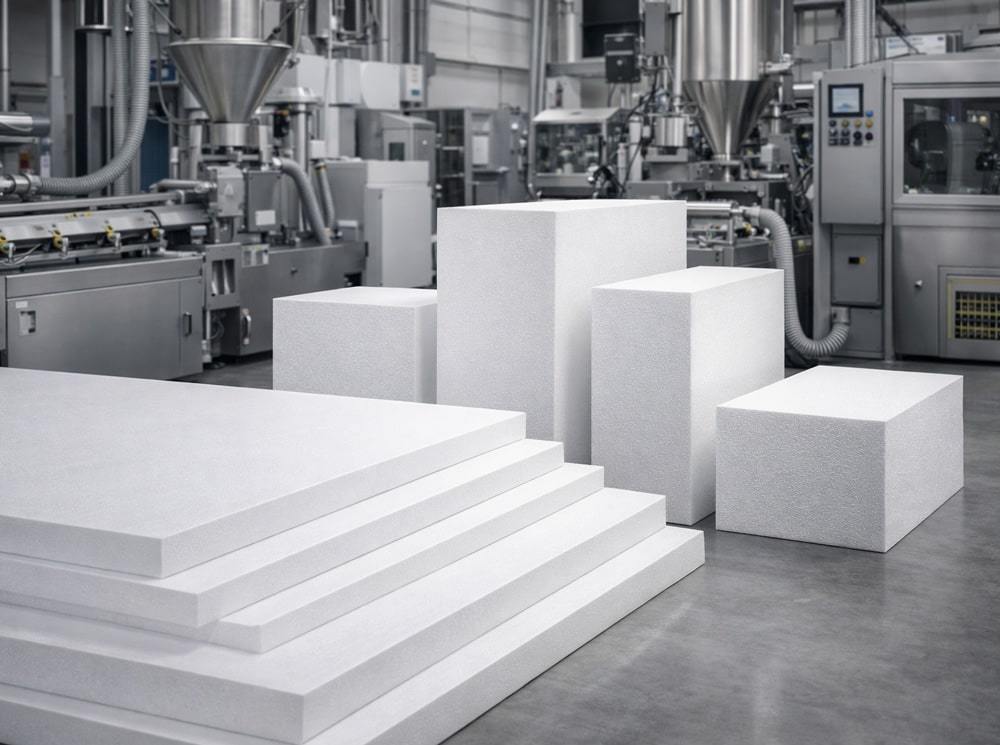
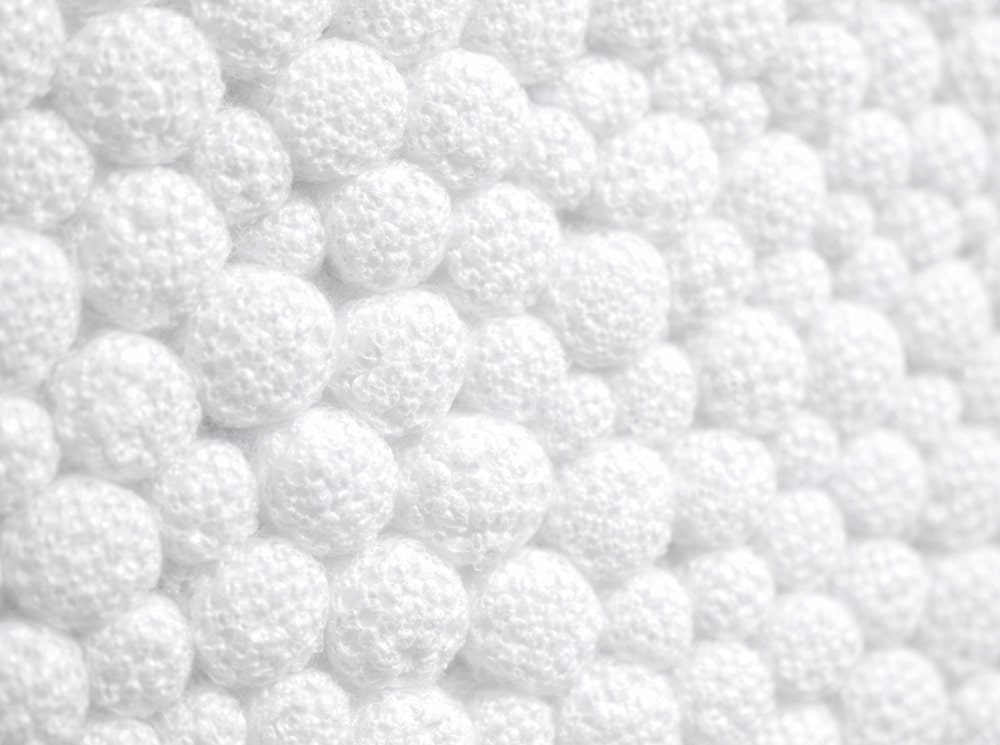
EPS is a closed-cell material composed of approximately 95 percent air and 5 percent solid polymer. This unique structure gives EPS extremely low density while maintaining dimensional stability and mechanical integrity. EPS is supplied to the market as finished blocks, boards, or molded components and is shaped by manufacturers and workshops without any additional chemical reactions. The density and geometry of EPS products are adjusted based on their intended application, including packaging, insulation, and construction systems.
Fire Behavior and Structural Performance
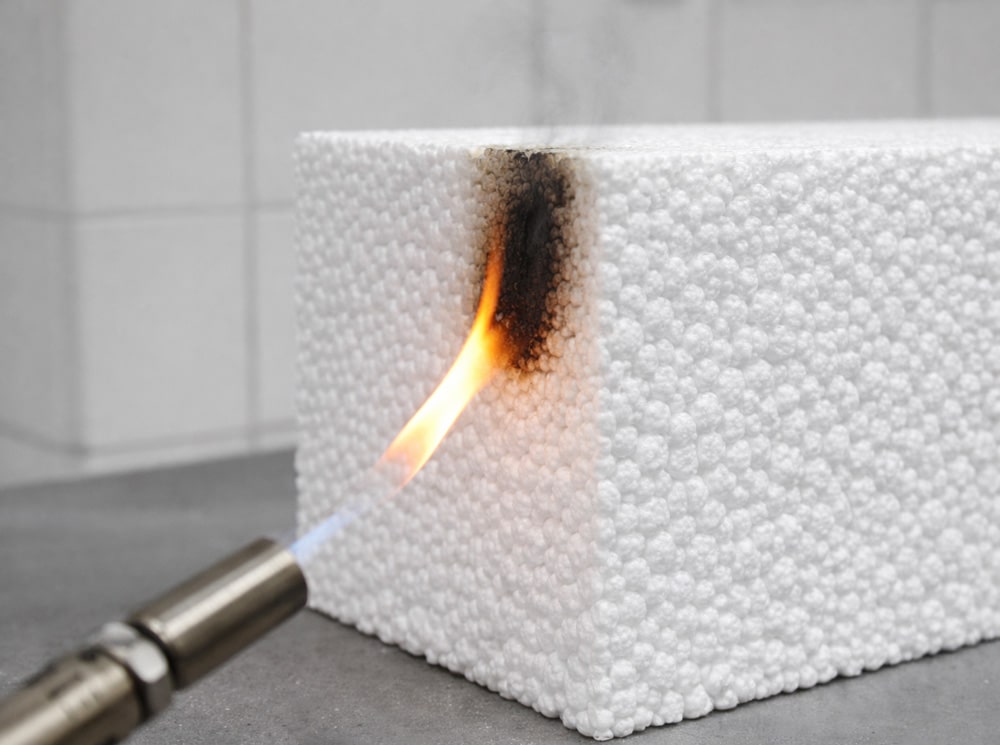
For construction purposes, EPS is produced in fire-retardant (FR) grades in accordance with international and domestic building standards. Fire-retardant EPS does not propagate fire and exhibits self-extinguishing behavior once the direct flame source is removed. When exposed to flame for a short period, EPS may locally deform or melt, but it does not sustain combustion or spread fire.
Due to its extremely low weight, EPS significantly reduces the dead load of buildings. This reduction in structural mass improves seismic performance by lowering the forces generated during earthquakes. Unlike traditional heavy materials, EPS does not fracture or collapse under seismic stress, contributing to improved building stability and safety.
Applications and Material Substitution
EPS has been used for more than 50 years in a wide range of applications. It plays an important role in protective packaging, where its low weight, moisture resistance, dimensional stability, and shock-absorbing properties protect sensitive electronic, electrical, and mechanical components during transportation.
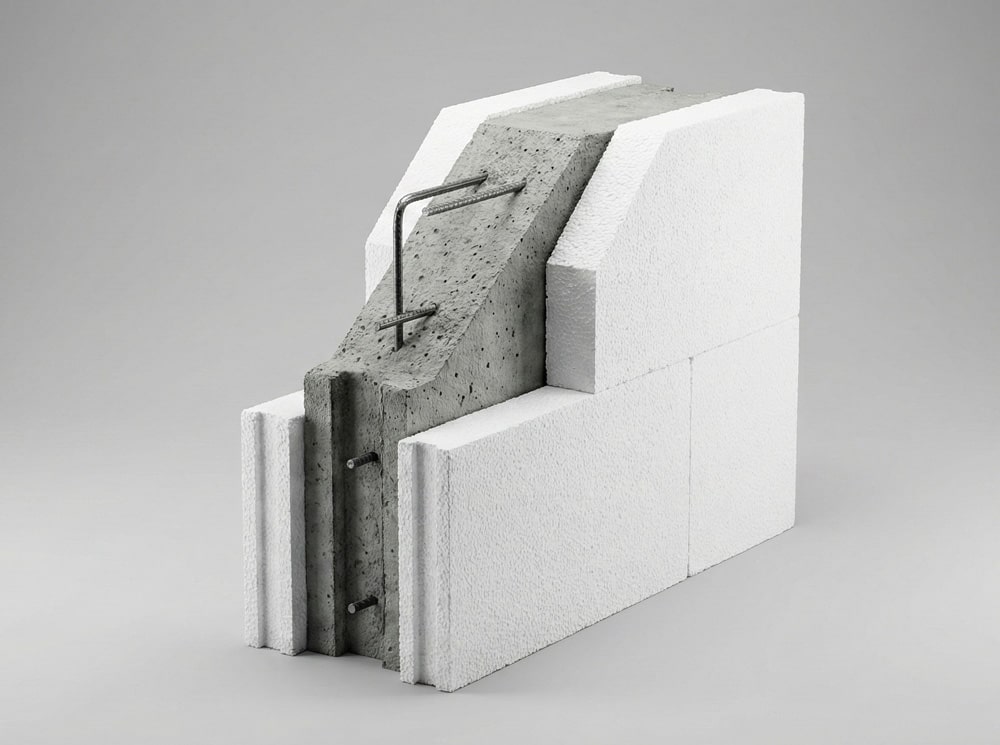
EPS is also widely used as a thermal insulation material in buildings, cold storage facilities, freezing tunnels, and transport containers. In recent years, EPS blocks have increasingly replaced traditional materials such as clay blocks in walls and ceilings. This substitution has led to reduced labor requirements, lower concrete and structural material consumption, faster construction processes, and overall cost efficiency. EPS is also used in prefabricated building systems, three-dimensional (3D) panels, and casting and mold-making industries.