What Are Ceiling EPS Blocks?
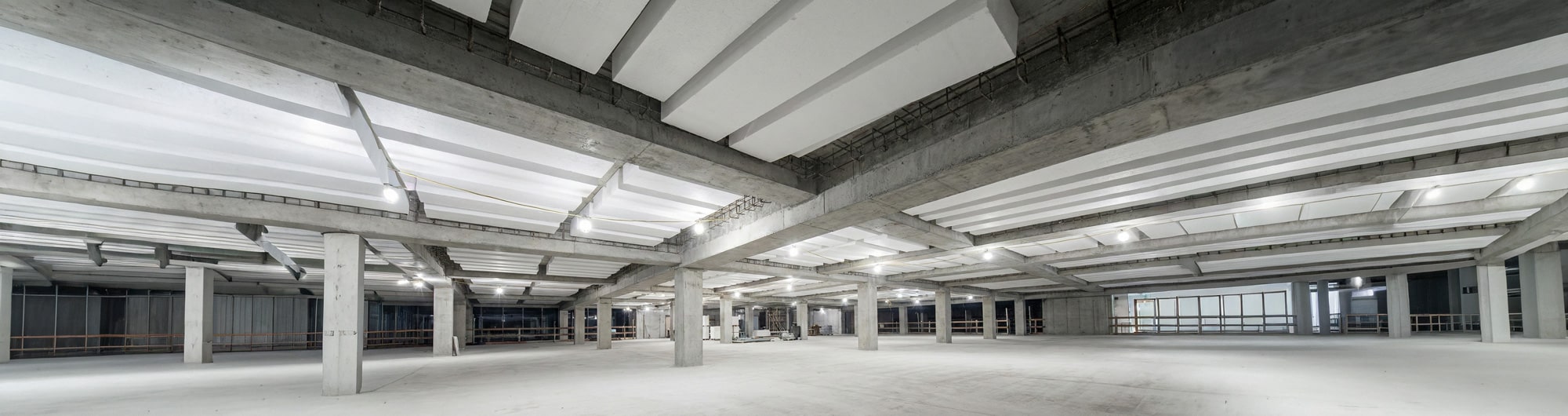
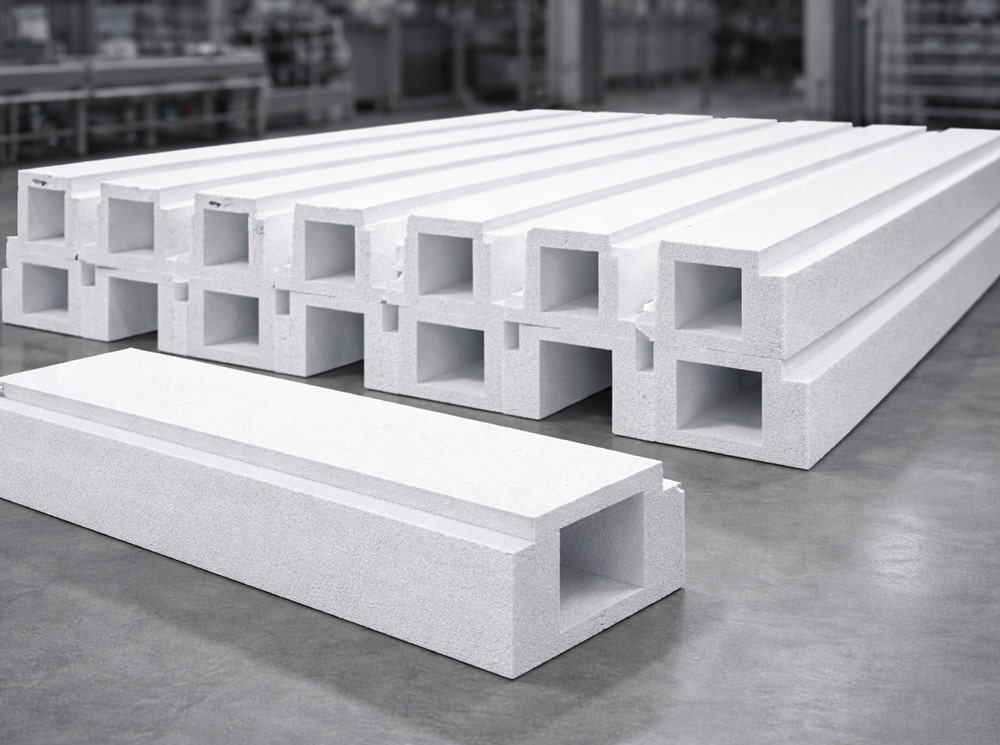
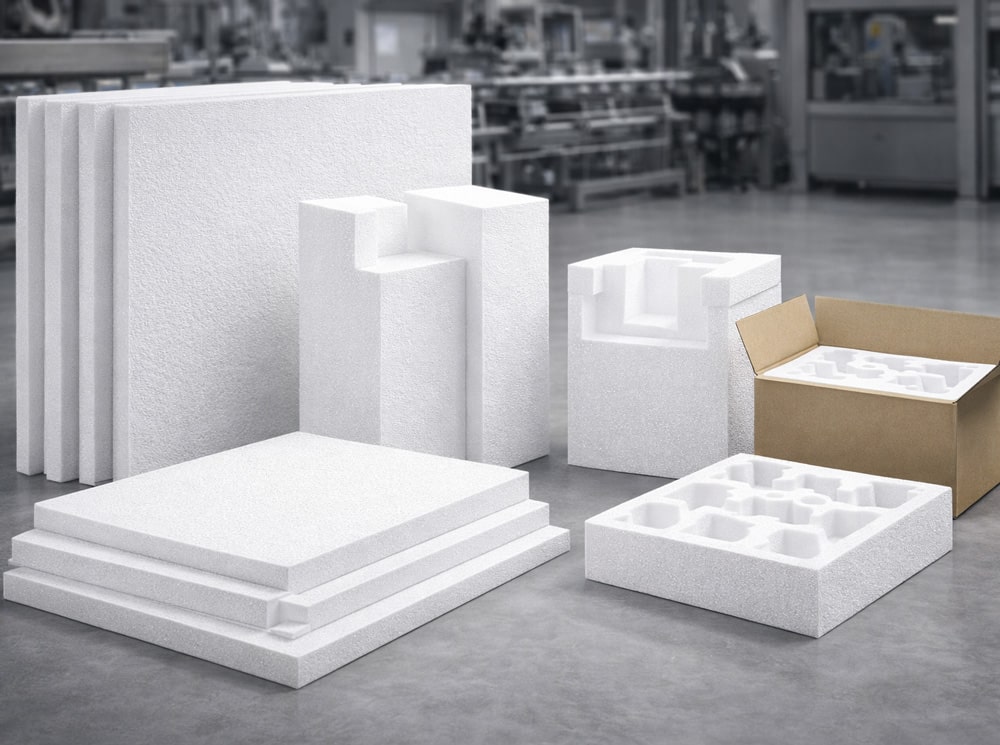
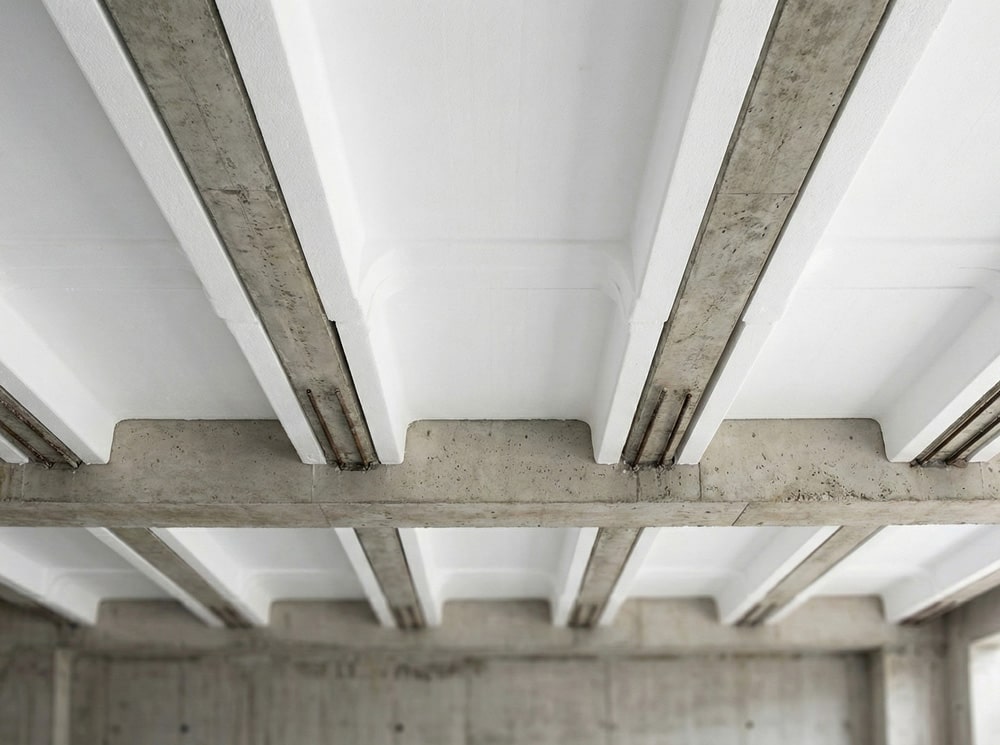
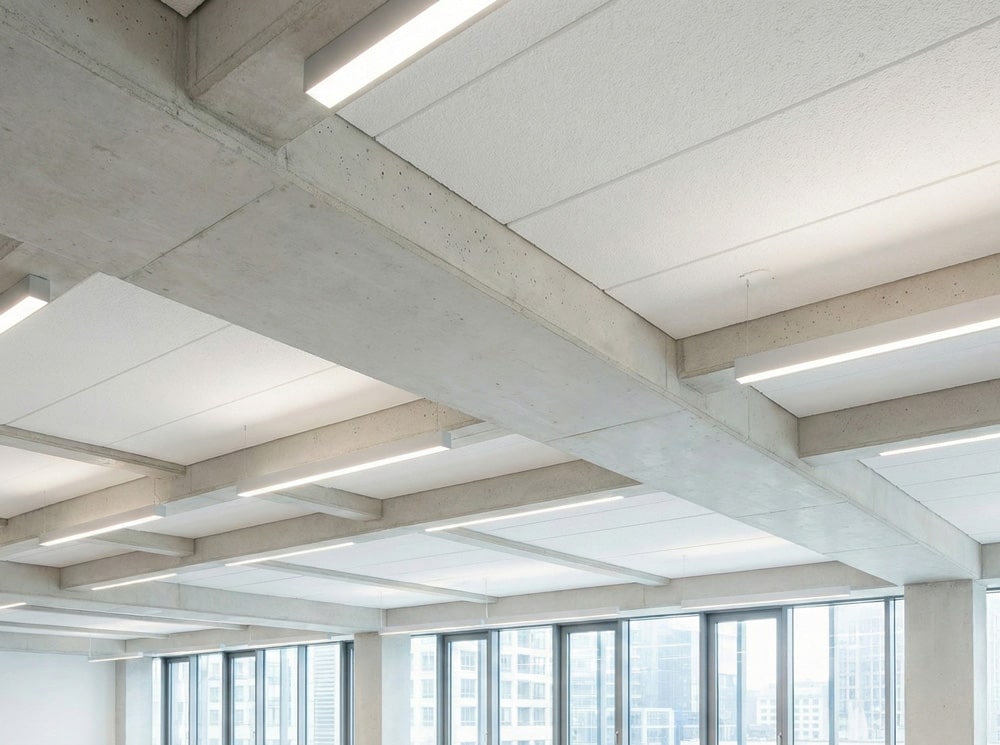
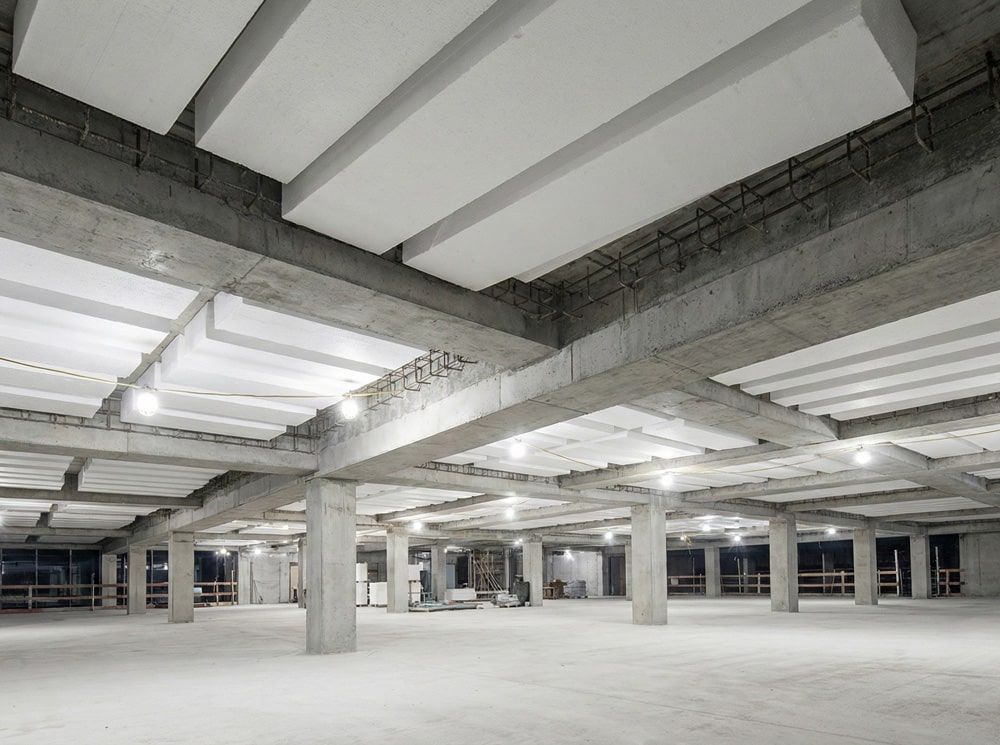
Ceiling EPS blocks are non-structural infill components used in beam-and-block ceiling systems. They are placed between beams to create a voided slab structure, reducing the overall weight of the ceiling without compromising structural integrity. The primary role of EPS blocks in this system is weight reduction and insulation rather than load-bearing.
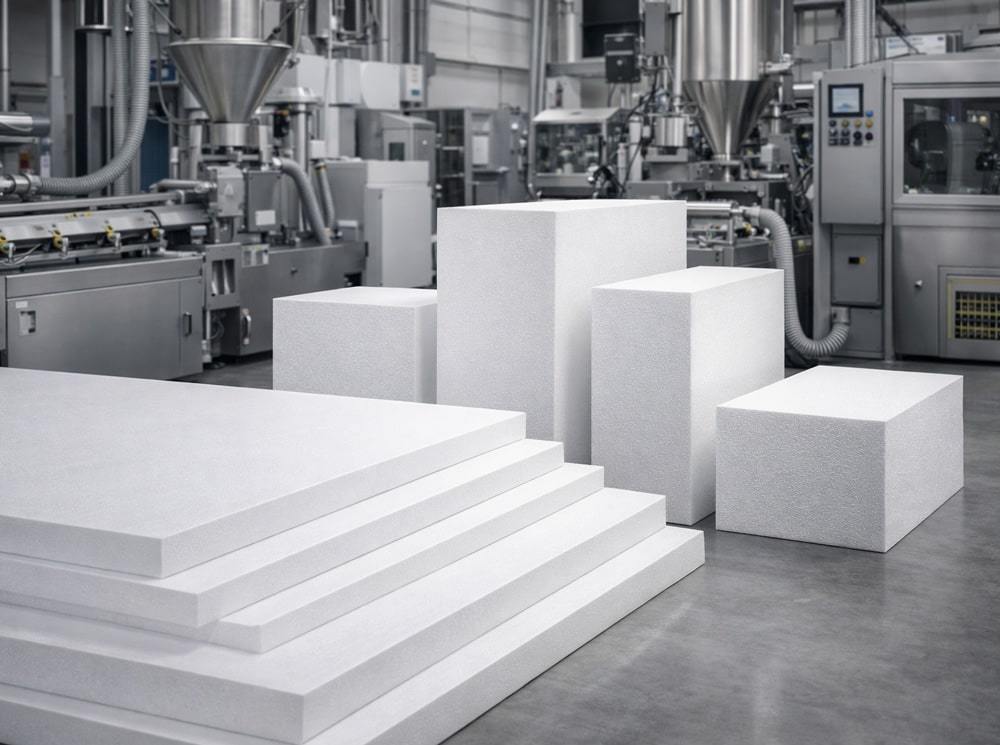
These blocks are manufactured in standardized dimensions and densities to ensure compatibility with common ceiling systems. Due to their low weight, they are easy to handle, transport, and install on-site, contributing to faster construction progress and reduced labor requirements.
Structural and Thermal Advantages
One of the most important advantages of ceiling EPS blocks is the significant reduction in dead load. By replacing heavier materials such as clay or concrete blocks, EPS blocks lower the total weight of the ceiling system, which improves seismic performance and reduces forces transferred to columns, beams, and foundations.
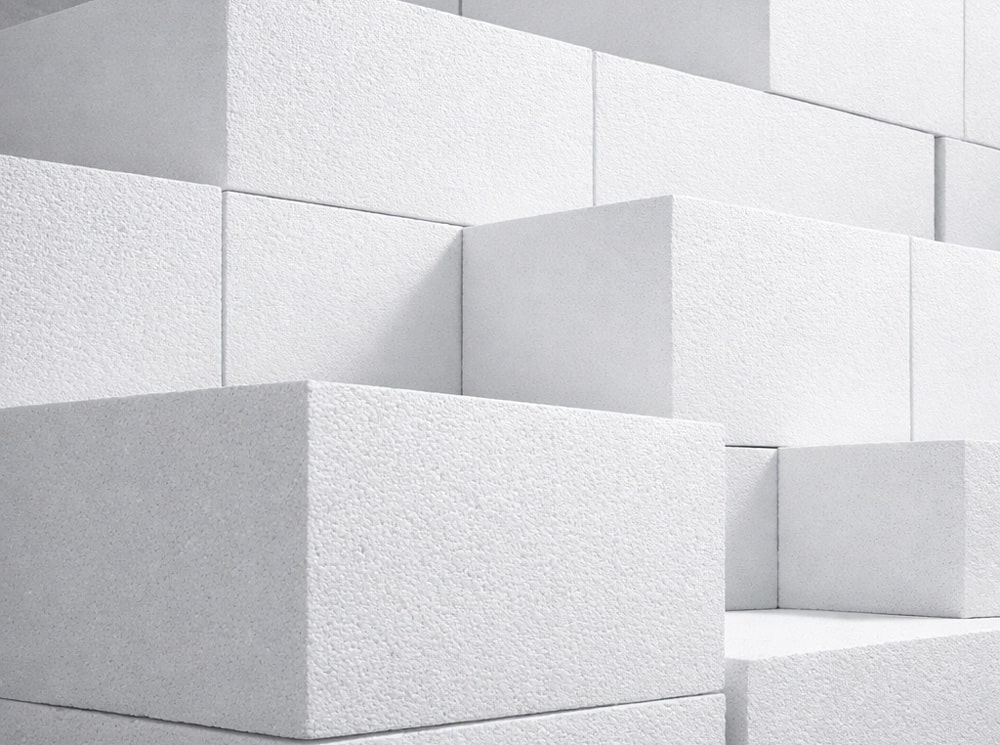
In addition to structural benefits, EPS blocks provide effective thermal insulation. Their closed-cell structure limits heat transfer and helps improve energy efficiency in buildings. EPS also contributes to basic acoustic performance by reducing sound transmission between floors when combined with appropriate ceiling finishes.
Applications and Construction Use
Ceiling EPS blocks are commonly used in residential buildings, multi-story structures, and projects where weight reduction and construction speed are critical factors. They are compatible with reinforced concrete beam systems and can be integrated into standard construction practices without requiring specialized equipment.
Compared to traditional ceiling infill materials, EPS blocks offer advantages such as cleaner installation, reduced material waste, and improved site safety. Their use has become increasingly common in modern construction due to their efficiency, reliability, and overall cost-effectiveness.