What is EPS?
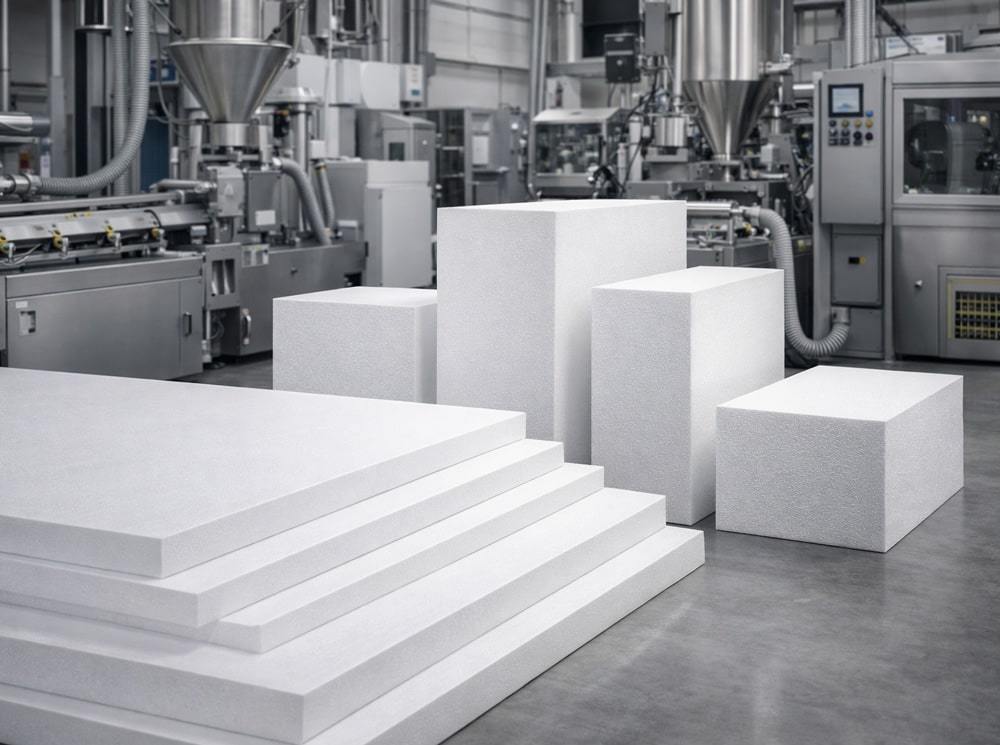
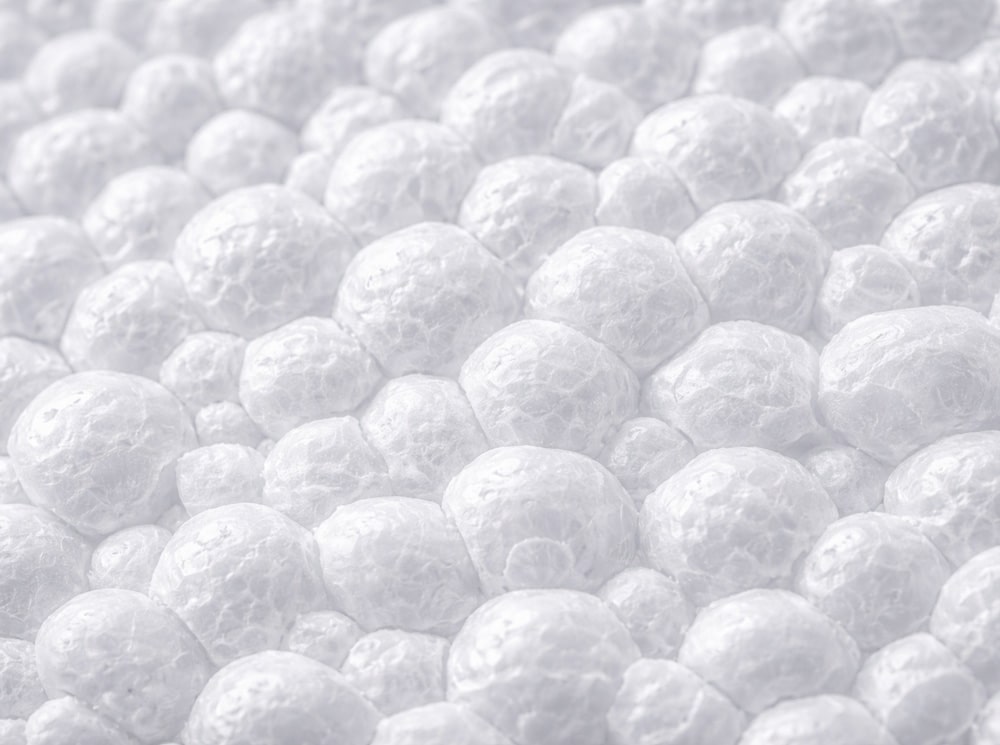
EPS is a closed-cell material formed by expanding polystyrene beads using heat. During production, a blowing agent causes the beads to expand significantly, creating a foam structure composed mostly of air. This structure gives EPS its low weight while maintaining sufficient strength and dimensional stability for practical applications.
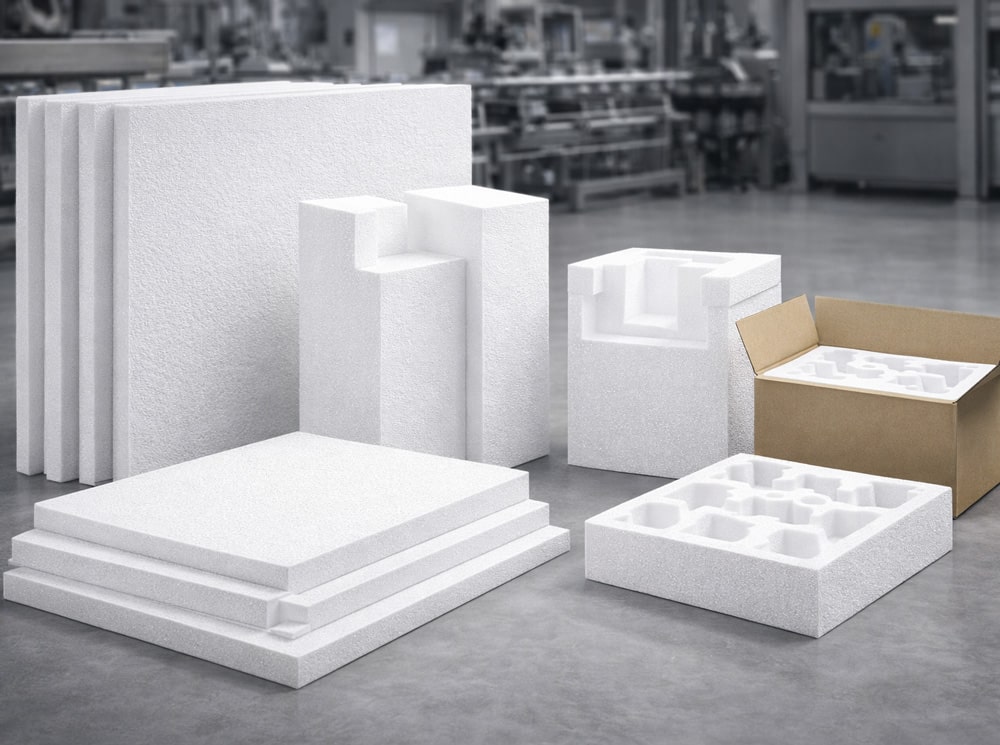
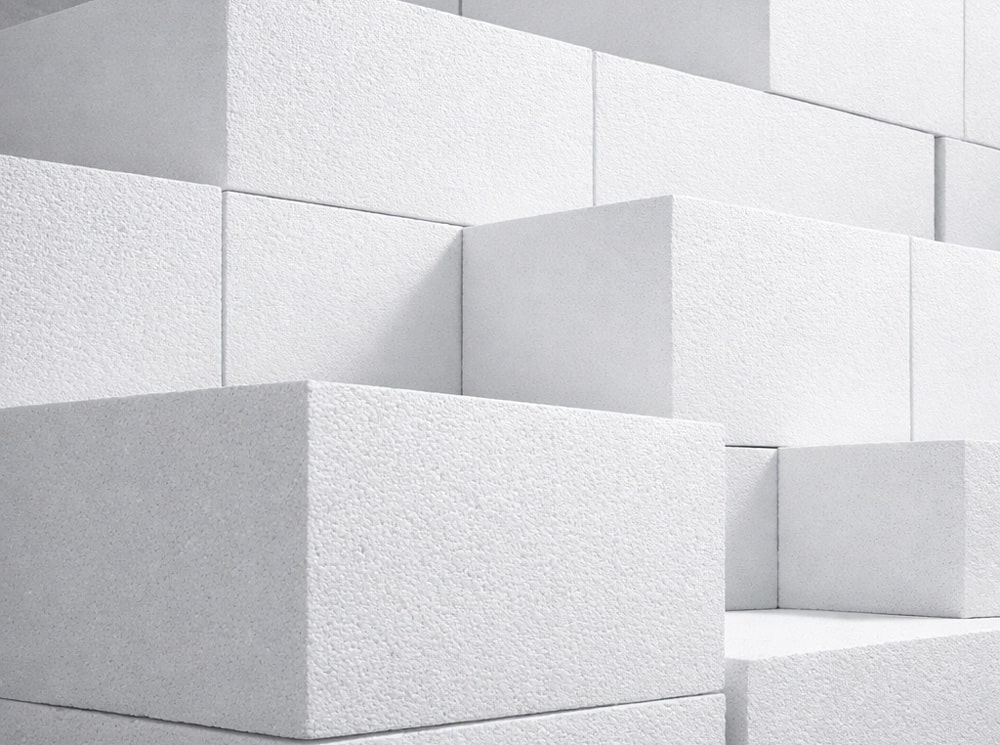
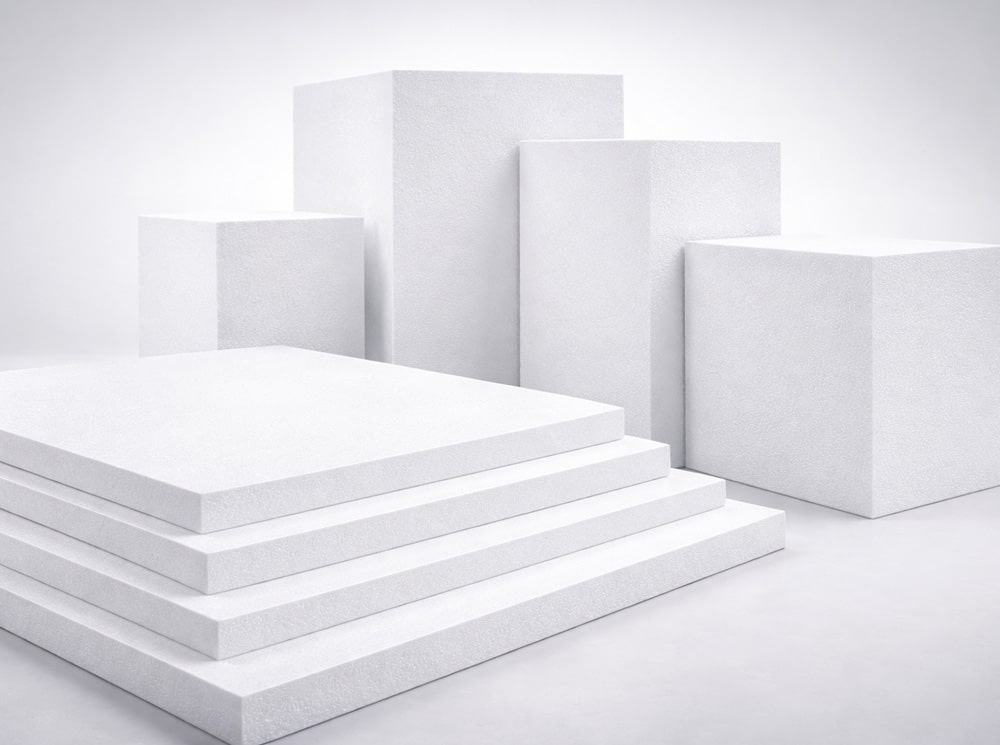
EPS is manufactured in different densities and shapes, depending on its intended use. It is typically supplied as blocks, boards, or molded components and can be easily cut and shaped without altering its chemical structure. These characteristics make EPS suitable for both industrial production and on-site construction use.
Key Properties of EPS
One of the main advantages of EPS is its excellent thermal insulation performance, which helps reduce energy consumption in buildings. EPS also offers low water absorption, resistance to moisture, and long-term stability under normal environmental conditions.
Due to its lightweight nature, EPS reduces dead load in construction systems, improving overall structural efficiency. EPS is also produced in fire-retardant grades for building applications, which are designed to limit flame spread and improve safety when used with proper protective layers.
Common Applications of EPS
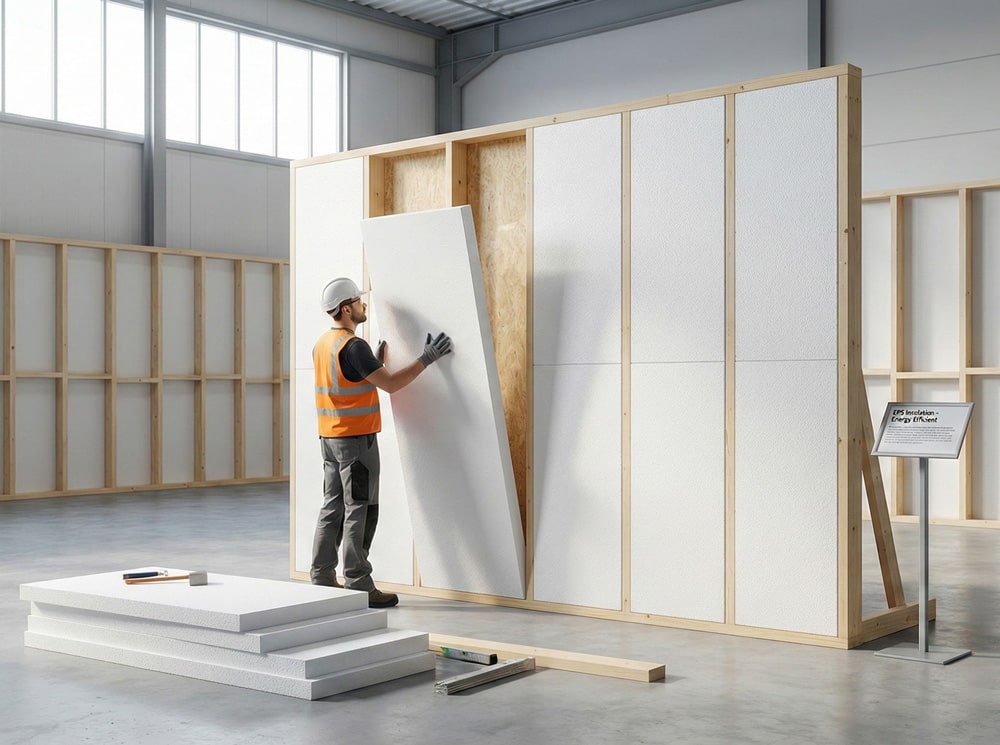
EPS is widely used as an insulation material in walls, roofs, and floors, as well as in cold storage facilities and refrigerated transport. In packaging, EPS is used to protect sensitive products against impact and vibration during transportation.
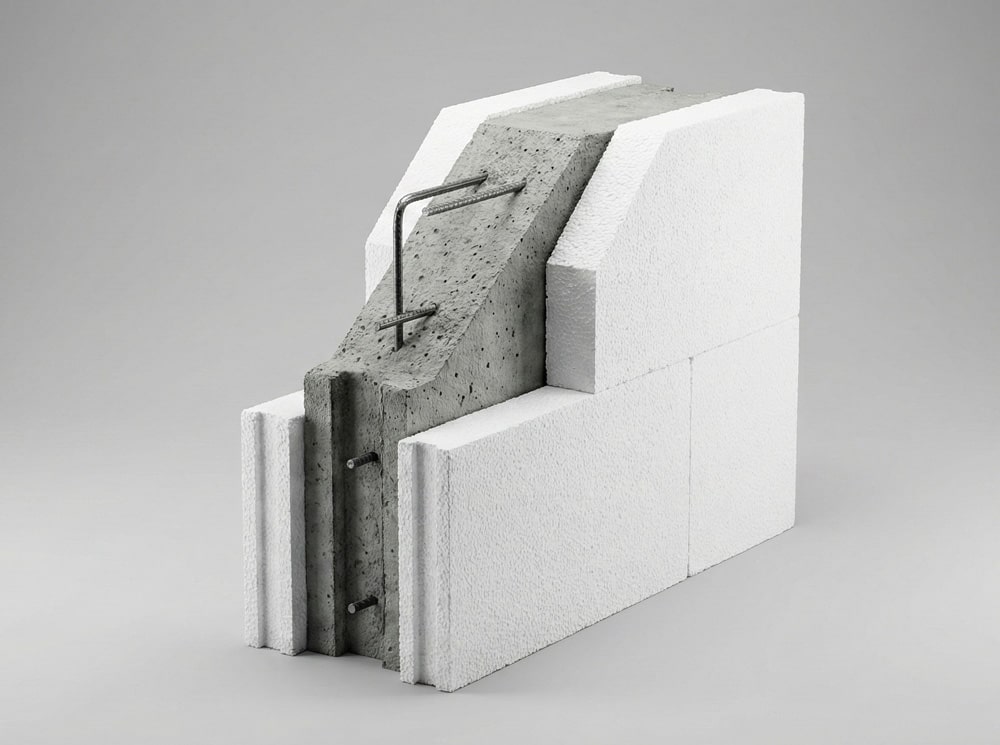
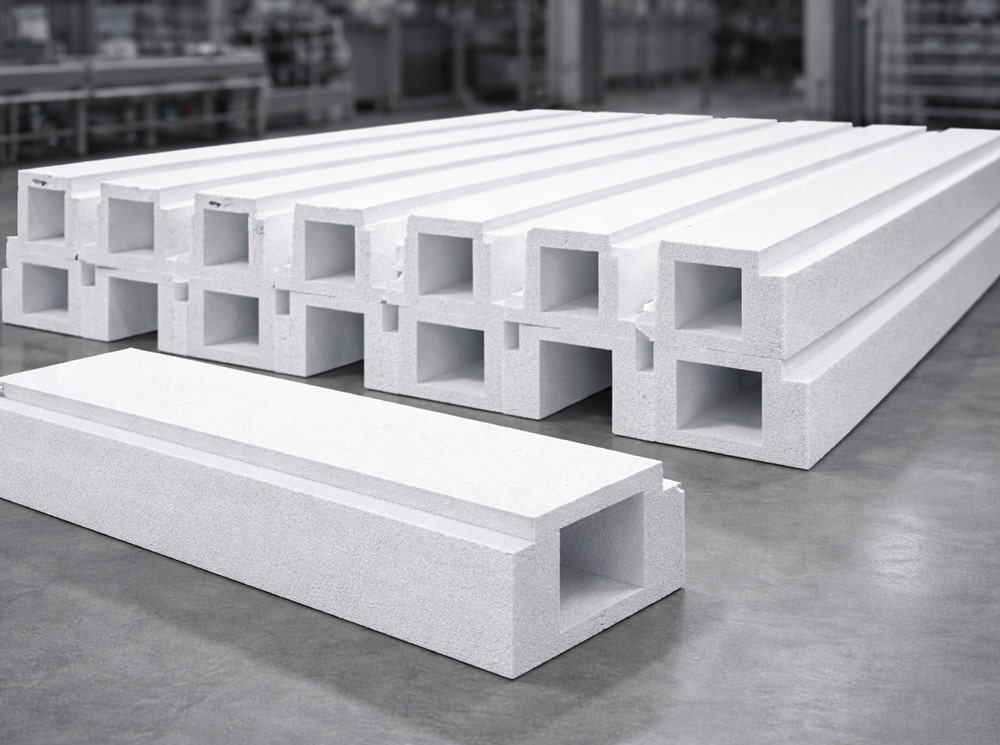
In construction systems, EPS is commonly used in ceiling blocks, wall systems, prefabricated panels, and lightweight structural solutions. Its combination of thermal performance, ease of installation, and cost efficiency has made EPS a practical and reliable material across a wide range of industries.