What is Polystyrene?
Polystyrene is produced through the polymerization of styrene, a liquid hydrocarbon derived from petroleum. In its base form, polystyrene is a rigid, transparent, and brittle material. It can be easily molded, extruded, or thermoformed, which makes it suitable for mass production of components with consistent quality and precise geometry.
Polystyrene is considered a thermoplastic material, meaning it softens when heated and hardens again when cooled without undergoing a chemical change. This characteristic allows polystyrene to be recycled and reprocessed under controlled industrial conditions.
Types and Material Variations
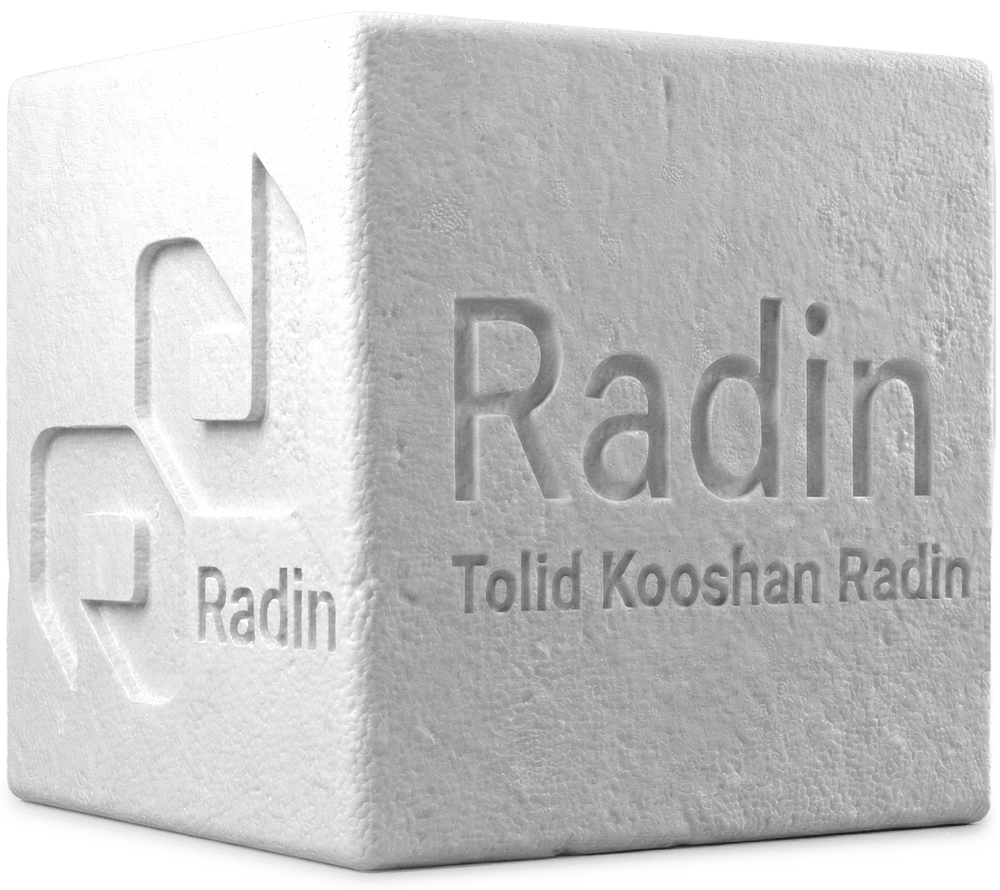
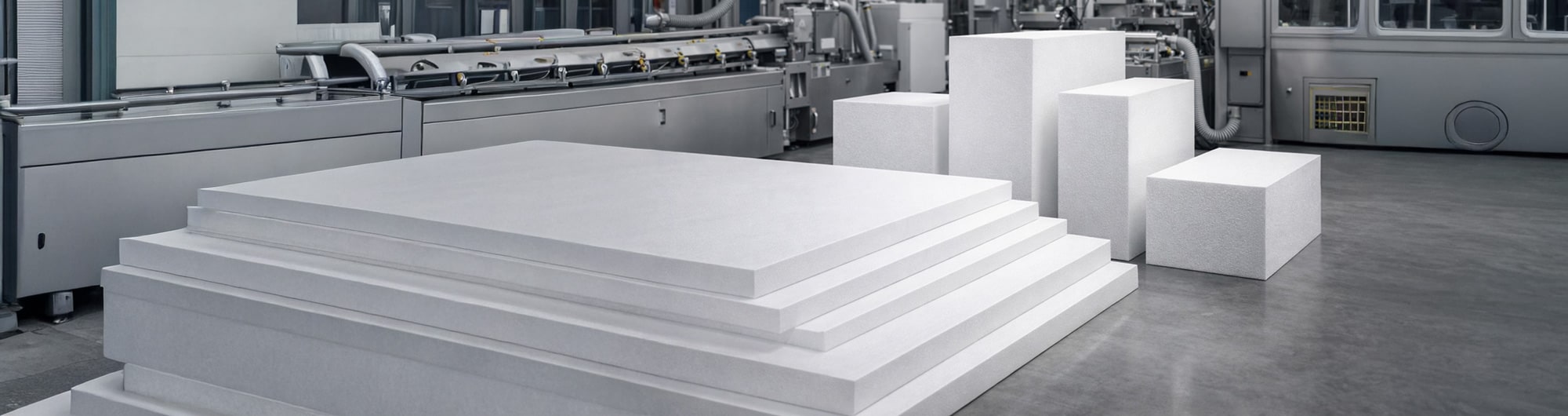
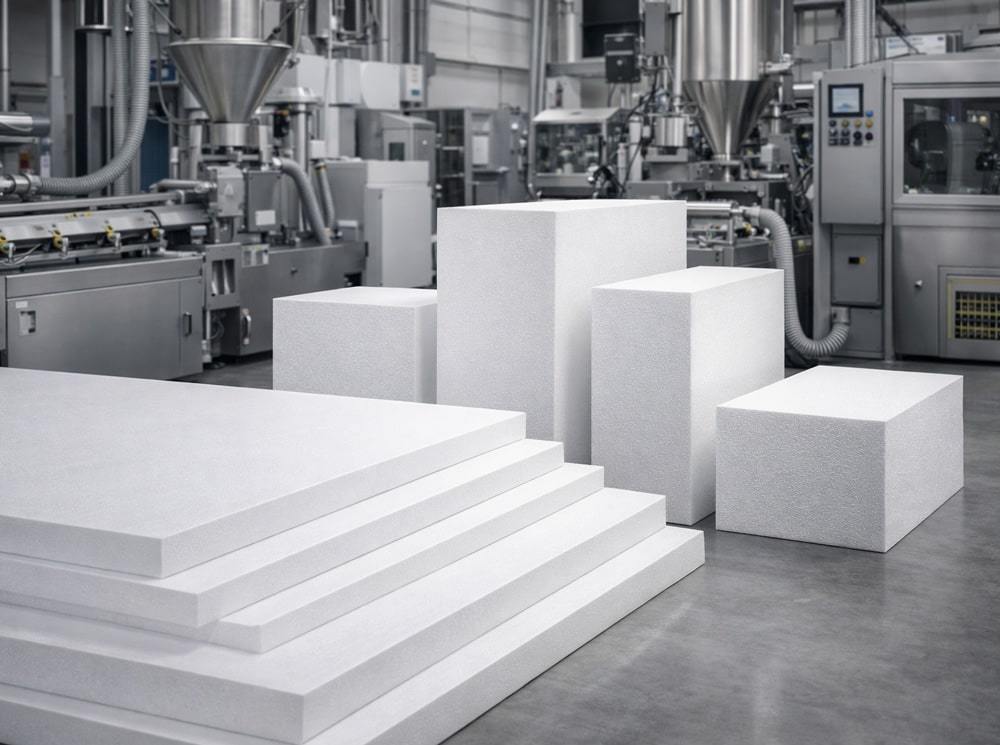
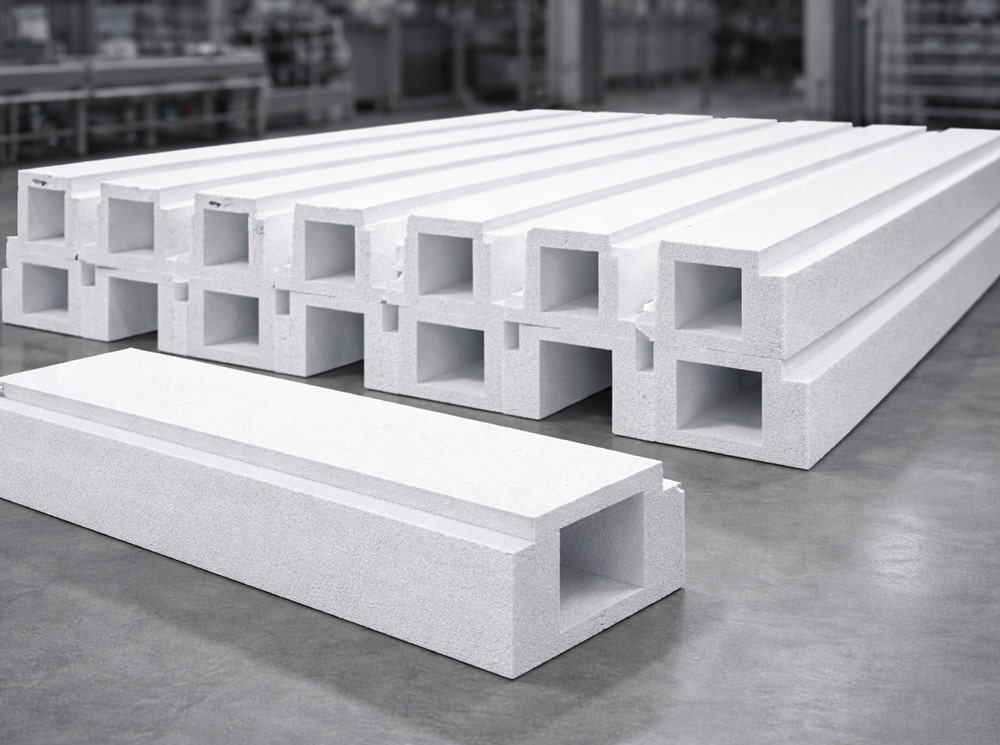
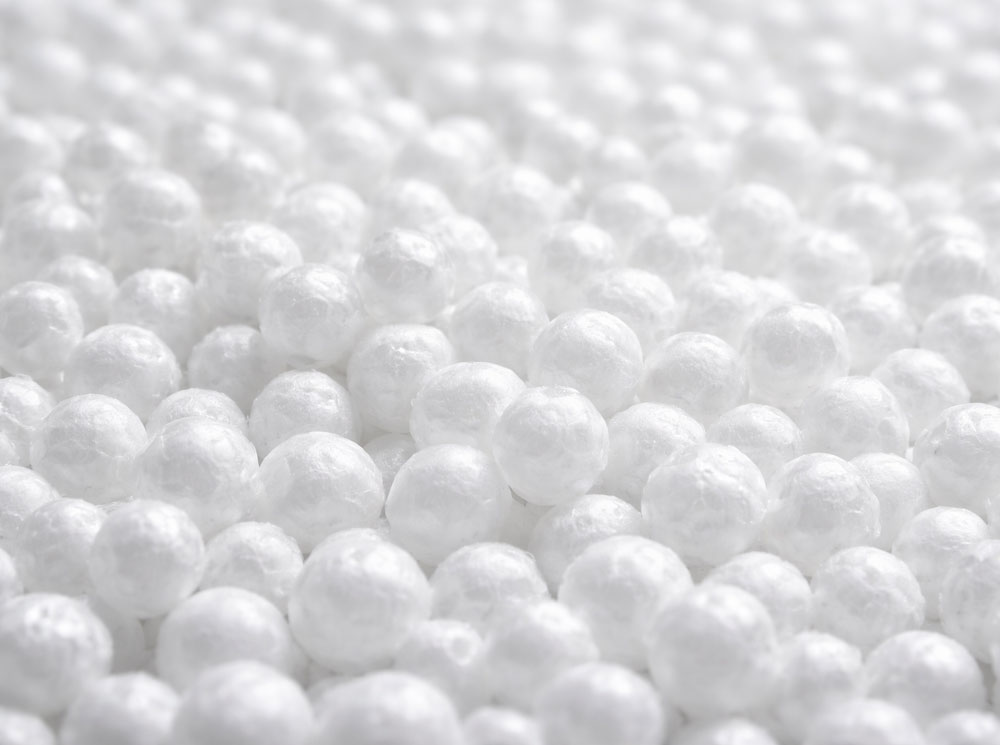
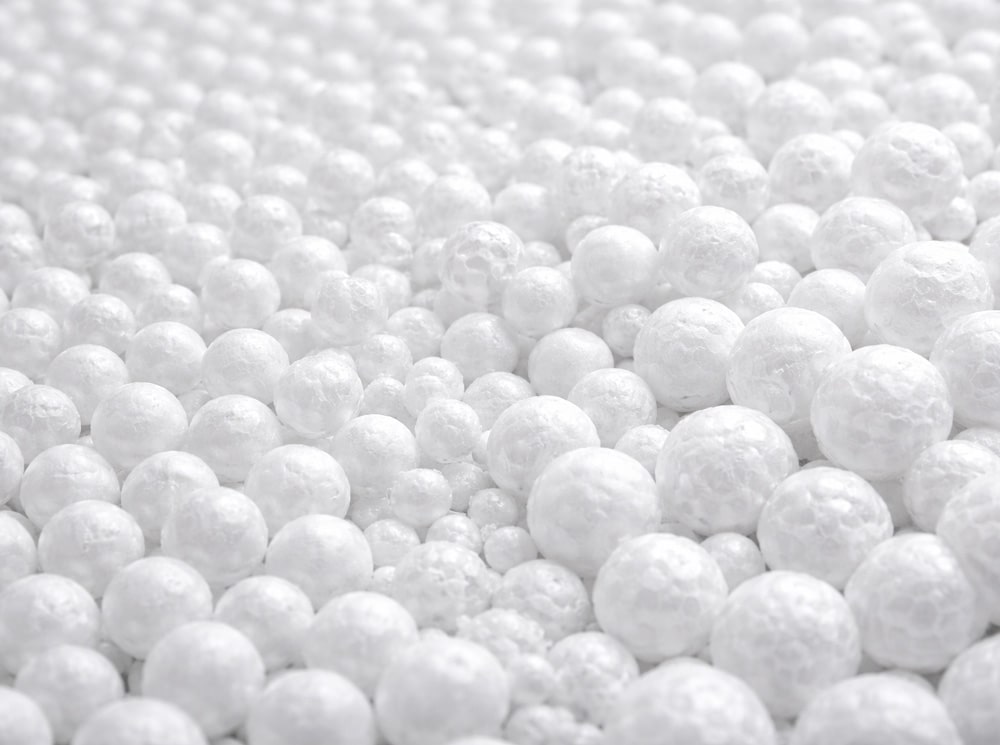
Polystyrene is available in several main forms, each designed for specific applications. General-purpose polystyrene (GPPS) is typically rigid and transparent, while high-impact polystyrene (HIPS) is modified with rubber additives to improve toughness and impact resistance. Expanded Polystyrene (EPS) is a foamed form of polystyrene characterized by its low density and cellular structure, making it suitable for insulation and lightweight construction applications.
These variations are produced by adjusting the polymer structure, additives, and processing methods. As a result, polystyrene can be tailored to meet different performance requirements such as strength, flexibility, insulation capability, and surface finish.
Industrial Applications and Material Role
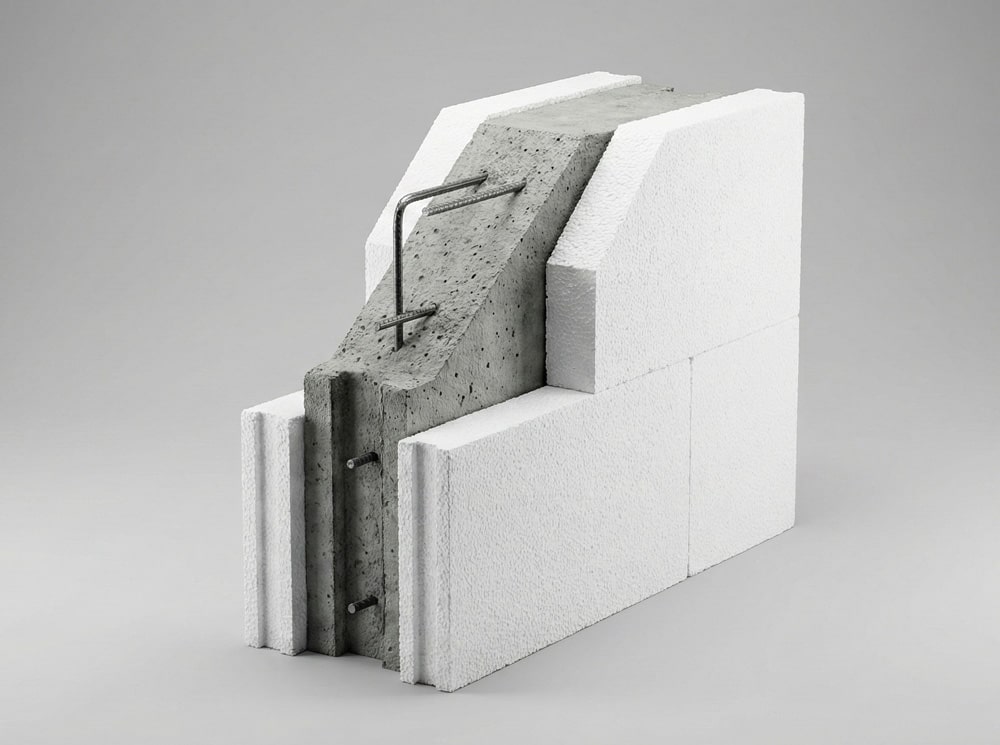
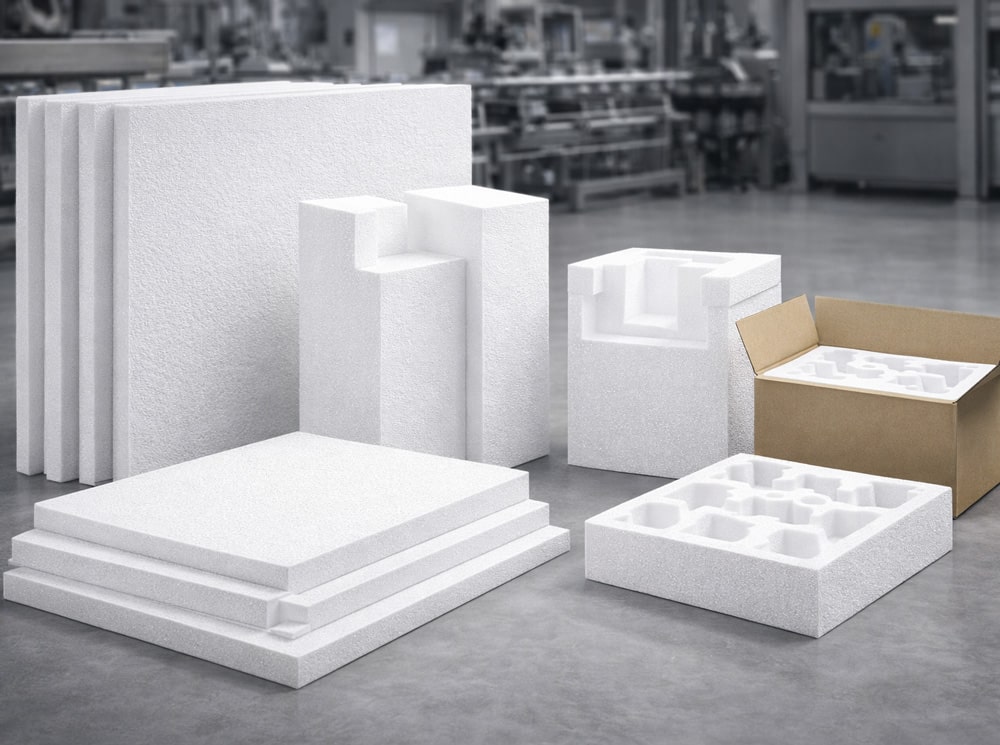
Polystyrene plays an important role in multiple industries due to its balance of performance and cost. It is widely used in packaging to protect products during storage and transportation, in consumer goods for housings and components, and in construction as a base material for insulation systems and lightweight building solutions.
In construction-related applications, polystyrene serves as the foundational polymer for materials such as EPS, where it contributes to thermal efficiency, reduced structural weight, and improved energy performance. Its adaptability and scalability have made polystyrene a key material in modern industrial and building technologies.